

Environmental Performance Data
Managing for Sustainability
Building a Sustainable Future Together. The Group believes that true business growth must be harmonized with the creation of global value. Beyond profitability, the Group’s core mission is to foster positive social and environmental impacts simultaneously. The Group has established a Sustainability Framework that is embedded in its corporate DNA, serving as a vital roadmap for driving the business toward sustainability across all dimensions:
With this framework in place, we are well positioned to become a leader in modern, environmentally friendly alternative energy, delivering maximum value fairly to all stakeholders and working together to build a better future for our planet.
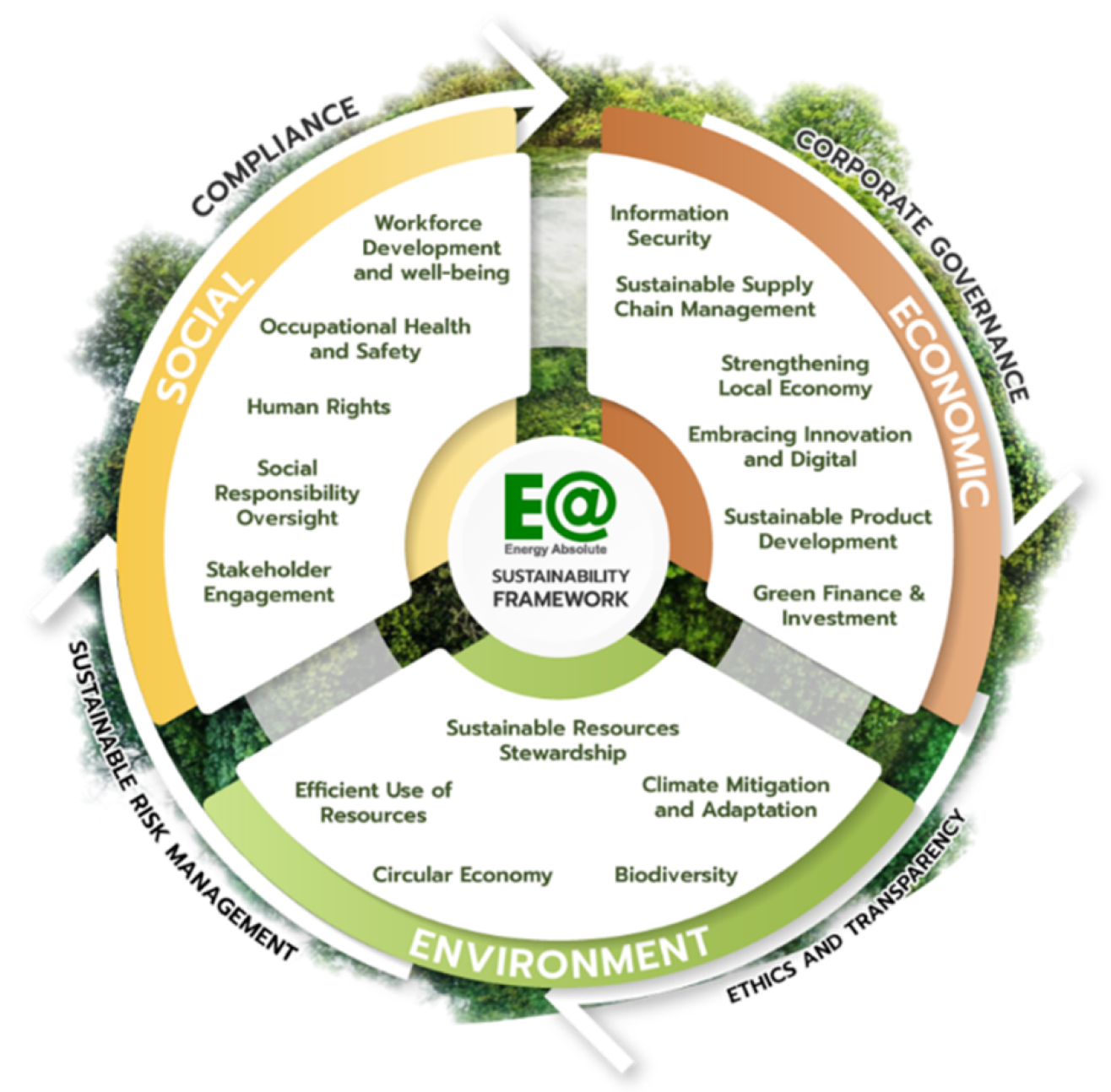
The Group has integrated its sustainability commitment into the core of its business operations. This is executed through three primary strategies, known as the 'Triple-E Strategy,' ensuring that every step taken is a deliberate move toward a truly better and more sustainable world.

- Transitioning to renewable and clean energy in operations to reduce direct greenhouse gas emissions from the organization's activities and production processes.
- Enhancing energy efficiency to significantly reduce negative environmental impacts.
- Collaborating with stakeholders across the value chain to comprehensively promote low-greenhouse gas practices.
- Implementing rigorous verification and validation of greenhouse gas emissions, alongside transparent and auditable data disclosure.

- Research and development, including the application of advanced energy storage solutions in operations, utilizing environmentally friendly and sustainable materials.
- Driving innovation in new-generation electric propulsion technologies and high-efficiency battery technologies to achieve cost reduction and operational efficiency goals.
- Strategic investment in clean technologies and emerging innovations, such as Waste-to-Energy technology, clean hydrogen production, and Power-to-X technology, to accelerate greenhouse gas reduction and support the transition to a low-carbon society.

- Integrated and comprehensive development of an environmentally friendly value chain, from the upstream production of clean energy to the downstream use of products and services.
- Promoting community and stakeholder engagement through sustainable development projects to support carbon credit generation and drive shared, environmentally friendly growth.
The Group is firm in its belief that business growth must coexist in harmony with environmental stewardship and social responsibility. To reflect this commitment, the Group prioritizes sustainability management across all dimensions of its operations. The Group has established a comprehensive Sustainability Policy that serves as the definitive framework for its business conduct.
For further information, please refer to
Sustainability Policy
Greenhouse Gases Management



Management Approach
Strengthening Climate Resilience
The Group conducts its climate risk management in a systematic manner, guided by the TCFD and IFRS S2 frameworks, with a focus on building resilience across two principal risk categories:
Climate Transition Collaboration
Governance Structure and Responsibilities
The Group has established a robust and clearly defined governance structure to ensure that climate-related matters are considered, overseen, and managed at the highest levels of organizational authority.
At the executive management level, the Sustainable Executive Committee and the Vice President of the Sustainable Development Department are the primary drivers of the Group's climate agenda.
Furthermore, the Group reinforces organizational accountability by integrating GHG emission-related key performance indicators (KPIs) into executive remuneration frameworks, ensuring measurable climate commitments are embedded at every level of management.
Management for a Just Transition
The Group operates on the principle that the transition to a low-carbon economy must be a Just Transition, ensuring that the shift toward a green economy upholds social equity and creates economic opportunities, particularly for workers and communities that may be affected.
Creating Economic Opportunities and Green Jobs:
For further information, please refer to
TCFD - IFRS S2 Climate-related Disclosures
Performance
Case Study/Success Stories
Promoting a Low-Carbon Society
The Group is committed to addressing the challenges of climate change through the implementation of projects that actively and decisively reduce greenhouse gas emissions. This is achieved by participating in the Thailand Voluntary Emission Reduction Program (T-VER) to generate carbon credits from clean energy and eco-friendly transportation initiatives. These initiatives serve as a vital mechanism in supporting a tangible transition toward a low-carbon society.

Environmental Management


Management Approach
Environmental Strategies and Policies
The Group is committed to advancing the management and operational standards in parallel with sustainable environmental stewardship, with priority given to occupational safety, hygiene, and the working environment, while maintaining its broader social responsibilities. This policy governs the operations and conducts of all Company personnel, encompassing the Group's commitments to quality, environmental protection, occupational health, and safety. Furthermore, the Group places considerable emphasis on integrated resource management across all stages of the business activities, spanning products, logistics, distribution, services, environmental pollution control, and waste management, in a continuous and systematic manner. This commitment extends to the due diligence process applied to mergers and acquisitions, encompassing both the planning and implementation phases. This commitment constitutes a direct duty and shared responsibility of all executives and employees, and is formally communicated to suppliers, business partners, contractors, and all relevant stakeholders. The policy is subject to periodic review by the Board of Directors and is ratified under the authority of the Chairman.
Governance Structure and Responsibilities
Environmental matters are governed under the oversight of the Board of Directors and the Executive Committee, with responsibilities structured as follows:
Environmental Management Systems and Processes
Investments in Environmental Management
For further information, please refer to
Quality, Environmental, and Occupational Health and Safety Policy
Case Study/Success Stories
Reporting on environmental violations
The Company strictly complies with relevant environmental laws and regulations. From 2022-2025, there were no environmental violations and the Company has not paid any significant fines (Environmental Violations Fine since USD 10,000 or more) related to environmental issues.
Environmental Management System (EMS)
The Group has developed and implemented an Environmental Management System (EMS) in accordance with the ISO 14001 standard.
Waste Management

Management Approach
The Group has established a "Quality, Environmental, Occupational Health and Safety Policy," focusing on resource management, environmental pollution prevention, and waste management across all stages—from planning and design to operations. Clear environmental impact reduction targets and objectives are established, supported by continuous improvement of operational processes and management systems. Waste management is conducted in accordance with the Quality, Environmental, Occupational Health and Safety Policy, under the oversight of the Board of Directors, the Executive Committee, the Occupational Health, Safety and Environment function, and all relevant departments. The Occupational Health, Safety and Environment function is responsible for developing action plans, evaluating environmental impact reduction measures, and reporting performance outcomes to senior management on a regular basis.
Waste Management Process
The Group manages waste in accordance with the Waste Hierarchy, prioritizing upstream waste prevention and reduction, aligned with Circular Economy principles, as outlined below:
Performance

Investment and Research for Sustainable Waste Management
The Group has conducted a Life Cycle Assessment (LCA) of Iso-Paraffin production for use as Sustainable Aviation Fuel (SAF) via Hydroprocessed Esters and Fatty Acids (HEFA) technology. The study adopts a "Cradle-to-Gate" scope, covering feedstock acquisition and transportation to the production facility, the SAF production process from Used Cooking Oil (UCO), and the management of production-related waste streams (wastewater treatment). This assessment ensures environmental impact reduction is verified and managed across the entire value chain.
Advancing the Circular Economy through Innovation and Green Investment
In 2025, the Group reaffirmed its commitment to the Circular Economy by allocating over THB 5.4 million in green innovation research and development funding to advance strategic initiatives carried forward from the preceding year. Key initiatives include:
Case Study/Success Stories
Waste Reduction Project
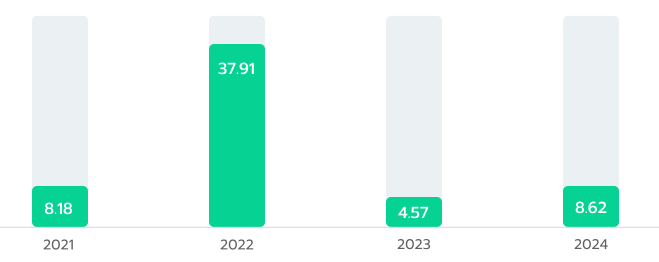
Utilizing eco-friendly composting vessels, food scraps are transformed into organic fertilizer for future agricultural applications. This initiative successfully diverted 2.06 tons of waste to landfill.

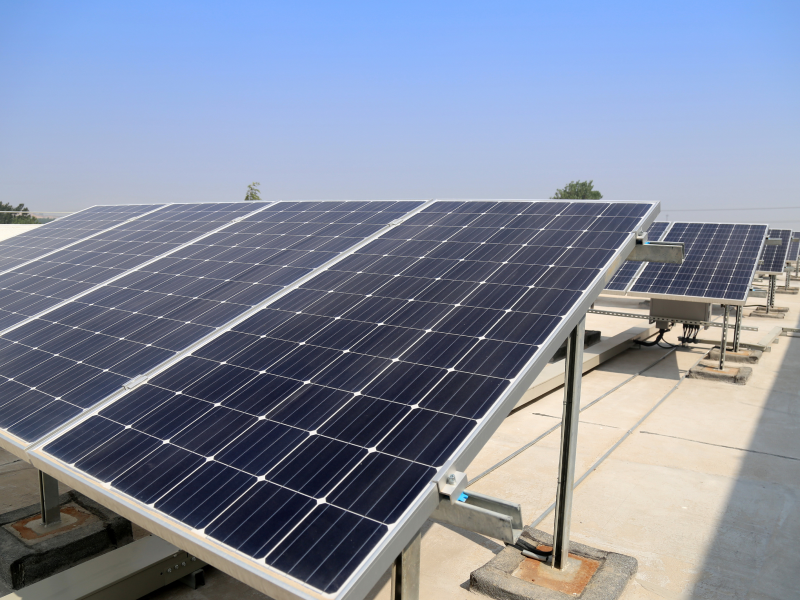
Degraded solar panels are repurposed for electricity generation at other operational sites across the Group or donated to communities for power generation.

The continuously implemented 3Rs recycling program, designed to minimize landfill-bound waste, achieved a total diversion of 3,912.70 tons from landfill during the reporting period.

Energy Management

Management Approach
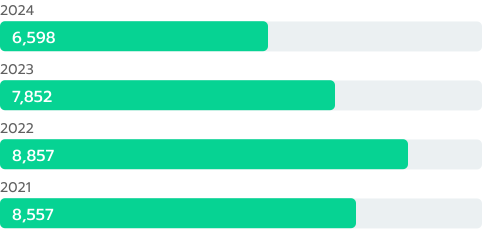
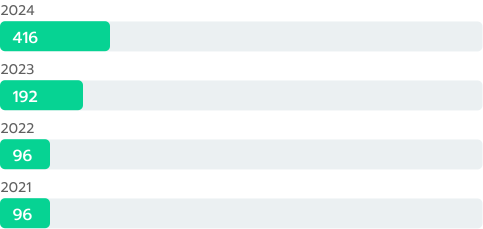
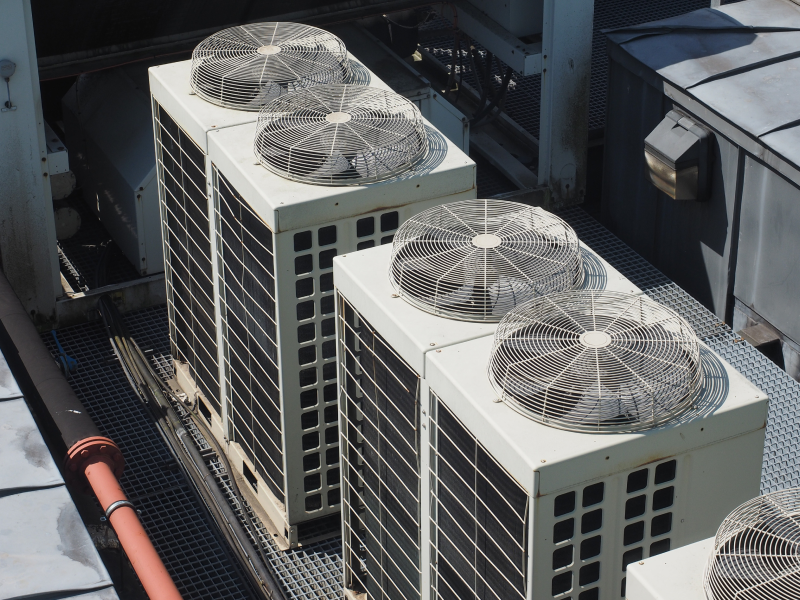
The Group manages its energy consumption by continuously developing and optimizing its Energy Management System for maximum efficiency. Furthermore, the Group establishes annual targets and formulates Energy Conservation Action Plans. These plans serve as a roadmap to effectively reduce the consumption of both fuel and electricity across all operations.
Performance
Case Study/Success Stories
Energy Conservation Initiatives by Business Unit
Water Management


Management Approach
Water Management Policy
The Group operates in accordance with the Quality, Environmental, Occupational Health and Safety Policy, which encompasses effective water management. The Group is committed to the continuous reduction of water withdrawal and ongoing water use efficiency improvement. A central pillar of this strategy is the recirculation of treated water within production and operational processes, aimed at building long-term Water Resilience.
Water Management Process
Water Stress Risk Assessment
The Group places high priority on the systematic identification and assessment of Water Risk, utilizing internationally recognized tools, namely WWF Water Risk Filter (WWF WRF) and WRI Aqueduct. These tools are employed to evaluate water-related Physical Risk (including water scarcity), Regulatory Risk, and Reputational Risk across the Group's operational footprint.
Water Reduction and Efficiency Measures
The Group implements its Water Management Plan in accordance with the 3Rs principle (Reduce, Reuse, Recycle), incorporating the following key measures:
Stakeholder Engagement
The Group recognizes its role as a responsible Water Stewardship, particularly in Water Stress-exposed areas, the Group embeds stakeholder considerations into its water governance practices:
For further information, please refer to
Integrated Water Efficiency and Risk Management Report
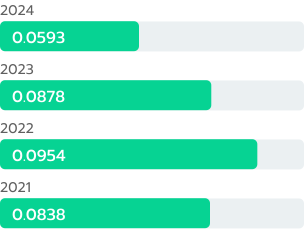
Performance
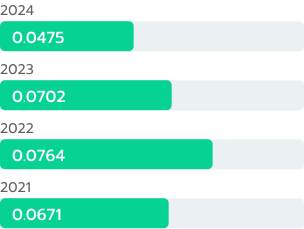
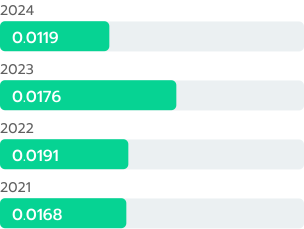
Case Study/Success Stories
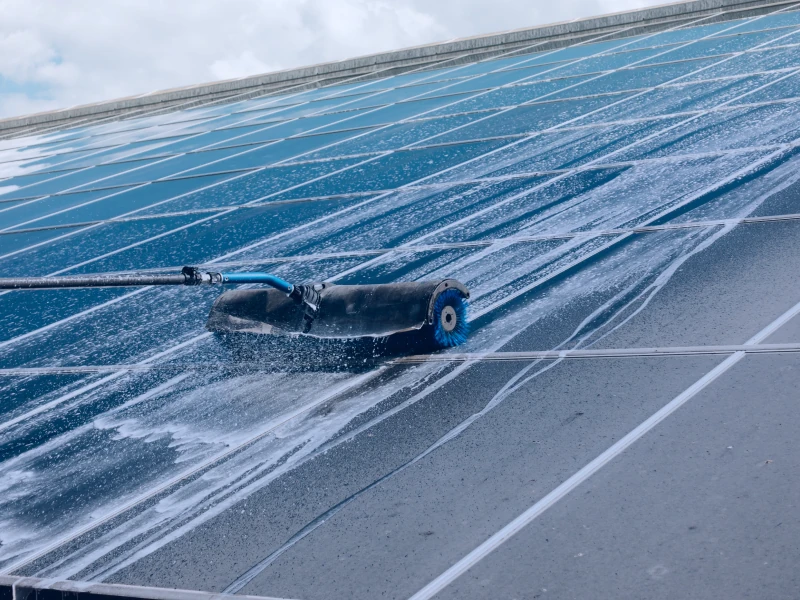
Water Consumption Reduction Project


Air Pollution Management
Management Approach
Air pollution management is conducted under the oversight of the Board of Directors and the Executive Committee. The Occupational Health, Safety and Environment function bears primary responsibility for developing environmental action plans, monitoring emissions, and reporting performance outcomes to senior management on a regular basis. The governing policy framework is the "Quality, Environmental, Occupational Health and Safety Policy," which mandates the control, prevention, and mitigation of air pollution arising from production and operational activities, ensuring that air quality is maintained at levels that are safe for employees, communities, and the environment.
Air Pollution Management Systems and Processes
Pollution control is implemented under a strict ISO 14001 Environmental Management System (EMS), encompassing the following processes:
Stakeholder Engagement
The Group engages with stakeholders on an ongoing basis, including the establishment of joint community liaison committees to promote community relations activities and foster constructive relationships with local communities in operational areas. This engagement also supports compliance with applicable regulatory and reporting requirements, including the Code of Practice (CoP), Initial Environmental Examination (IEE), and Environmental Impact Assessment (EIA).
For further information, please refer to
Manual
Performance
Case Study/Success Stories
Pollution Control System Installation
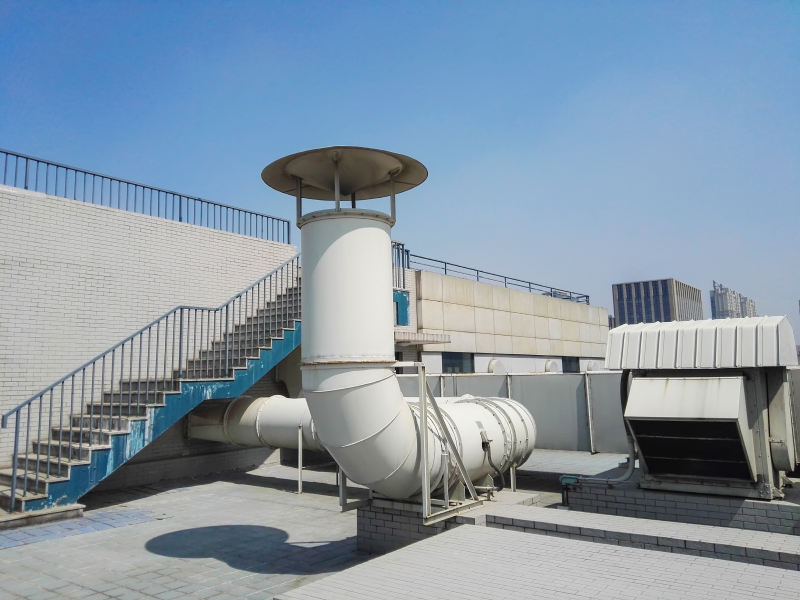
In addition to indirect emission reduction efforts, the Group maintains stringent direct source controls across all operational sites. Appropriate continuous air pollution control systems are installed and maintained in alignment with specific emission sources, including wet scrubbers, activated carbon adsorption systems, and multicyclone collectors.

Measurement and Surveillance
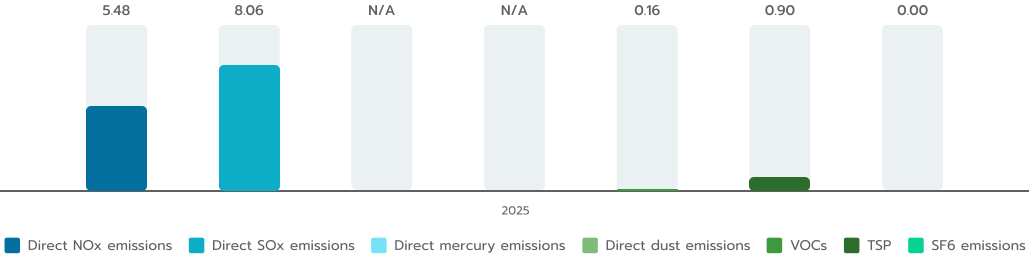
The Group conducts regular monitoring of ambient air quality and emission levels across key pollutants, NOx, SO2, VOCs, and TSP, to ensure compliance with statutory standards and maintain emissions below prescribed thresholds. This approach helps safeguard the health of employees and surrounding communities.

Biodiversity Management

Goals

Management Approach
Clear policies and operational mechanisms are fundamental to effective biodiversity conservation. The Group has adopted a suite of policies and commitments as the governance framework for the protection and sustainable stewardship of natural resources, with a focus on minimizing adverse impacts from business activities. The Group has operationalized the following two core policies in a manner appropriate to its business context:
The Group mandates biodiversity consideration and assessment at every stage of its operational processes. Biodiversity studies are conducted at high-biodiversity project sites to inform impact mitigation planning prior to commencement of activities. The Board of Directors, management, and all employees are required to acknowledge and strictly comply with these policies. Performance monitoring is conducted at least annually to ensure alignment across the organization.
Governance Structure, Roles, and Responsibilities
Governance and Risk Integration
The Group's biodiversity management approach is systematically integrated into the Enterprise Risk Management (ERM) framework, ensuring that nature-related risks are identified, assessed, and managed with the same standard and consistency applied to other material business risks.
Responsible Committees and Oversight
The Group implements its Water Management Plan in accordance with the 3Rs principle (Reduce, Reuse, Recycle), incorporating the following key measures:
Biodiversity Management Process
Biodiversity Risk Assessment and Disclosure
The assessment employs globally recognized tools, including the WWF Biodiversity Risk Filter for portfolio-wide risk screening and hotspot identification.
The ENCORE (Exploring Natural Capital Opportunities, Risks and Exposure) tool is applied to assess the Group's business dependencies on ecosystem services. The assessment covers the direct operations of renewable energy power plant projects in Thailand — the primary activities with direct land and ecosystem interactions. Upstream value chain assessment focuses on Operations and Maintenance (O&M) suppliers, while the downstream assessment acknowledges material interactions with electricity transmission systems via substations operated by government authorities.
The assessment identified that our business has multiple dependencies on an ecosystem, particularly climate stability, which is derived from the climate regulation function of natural systems. This is critically important for maintaining consistent wind patterns and surface water availability, both of which are essential for cleaning solar panels and sustaining optimal generation efficiency. Material Impacts identified for ongoing vigilance include wildlife hazard risk, primarily arising from bird and bat collision risk with wind turbines, flagged as high reputational risk sites due to their proximity to conservation areas and Key Biodiversity Areas (KBAs).
The Group is committed to leveraging these assessment findings as the foundation for the continuous development of strategies and impact mitigation measures. The next phase will involve site-specific deep-dive assessments at highest-risk sites using the Integrated Biodiversity Assessment Tool (IBAT), leading to the development of tailored Biodiversity Action Plans (BAPs).
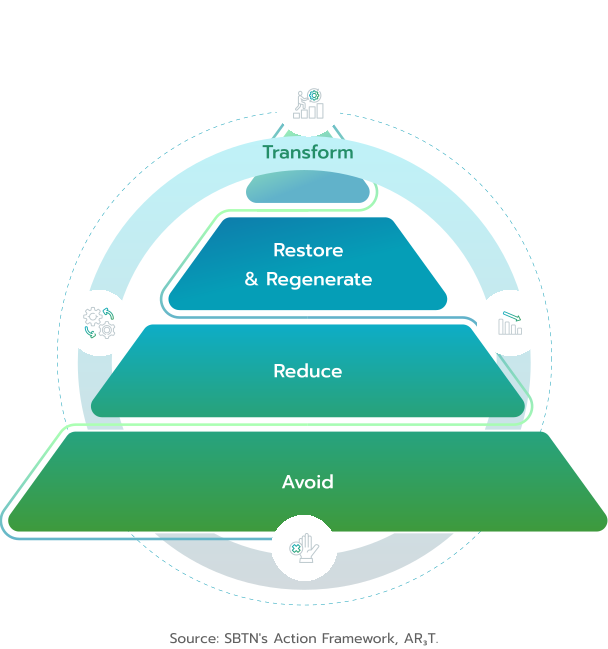
Application of the Mitigation Hierarchy Principle
In pursuing environmentally responsible and sustainable business operations, the Group has adopted the Mitigation Hierarchy as the guiding principle for biodiversity management, with a systematic and comprehensive focus on preventing and minimizing adverse impacts from operational activities across all stages. This principle comprises the following key steps:
Performance
Biodiversity Risk Assessment
The Group’s 2025 biodiversity risk assessment focuses primarily on the direct operations of its renewable energy business. This scope encompasses 8 wind power projects and 4 solar power projects located within Thailand. The total assessed area, including operational sites and adjacent buffer zones, covers 1,315 hectares across 182 assessed points. Furthermore, the assessment extends to the value chain, featuring a qualitative evaluation of Operations and Maintenance (O&M) suppliers. It also includes an analysis of the national grid connection within the downstream value chain. The Group is committed to expanding this assessment to cover the entire value chain in the future. The summary of the operational site assessment, highlighting areas with significant biodiversity impacts.
The following section identifies the specific operational areas found to have significant impacts on biodiversity:


Green Space Expansion
The Group is dedicated to being an environmentally conscious organization, striving to restore and maintain the country's natural balance. Through green space expansion, the Group aims to conserve natural resources, enhance ecosystems, and mitigate global warming. Furthermore, these initiatives foster community engagement in the sustainable preservation of forest resources. Consequently, the Group has launched a reforestation project with a target to plant 32,000 trees across 500 rai within 7 provinces by 2037.

Case Study/Success Stories
Native Species Management and Invasive Species Prevention
The Group manages vegetation within green areas through clearly defined procedures to control the spread of invasive species and promote the biodiversity of native plant species.
Biodiversity Study: Wind Power Projects
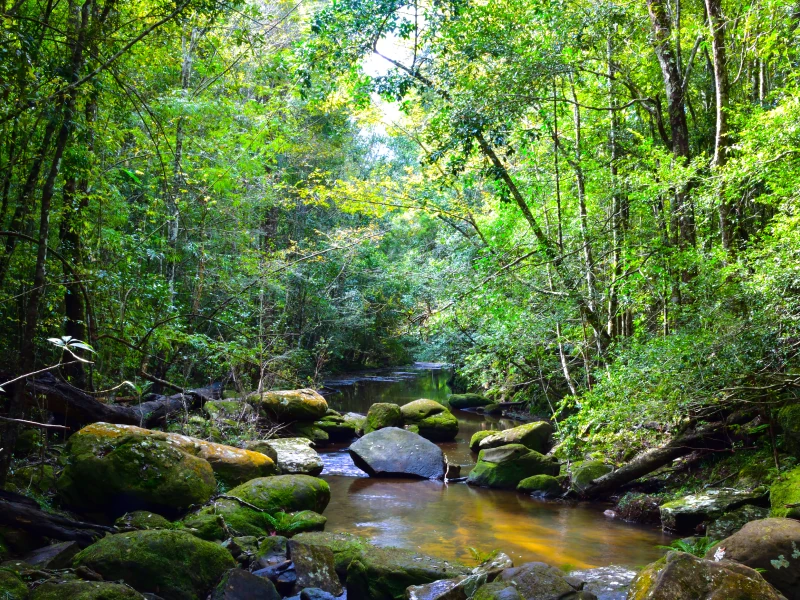
The Group recognizes the imperative of biodiversity conservation within its operational areas, particularly at wind power project sites. Our management approach is focused on the mitigation and prevention of adverse ecological impacts, with special attention to sensitive species groups, including birds and bats. Operations at wind power plant project sites in Chaiyaphum, Nakhon Si Thammarat, and Songkhla provinces are conducted in strict compliance with applicable legislation and in accordance with systematic environmental management standards.
Continuous biodiversity study and monitoring are conducted across project sites to assess potential impacts, as follows:
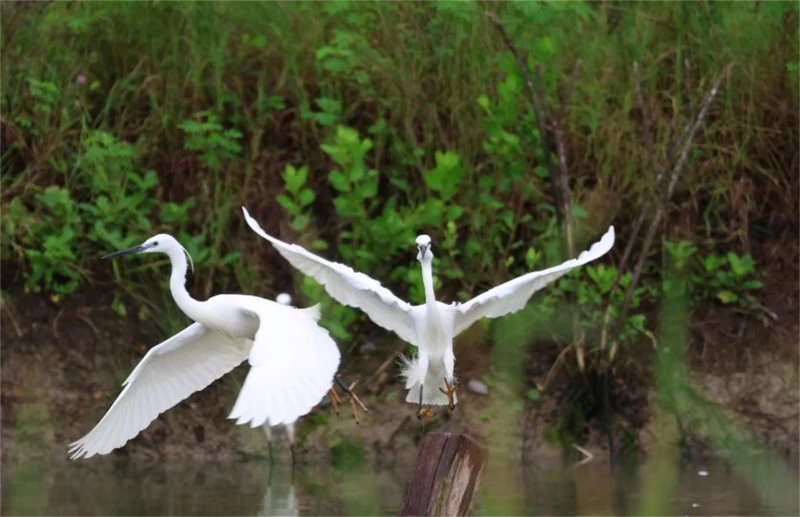
Collaboration with Local Organizations and Civil Society
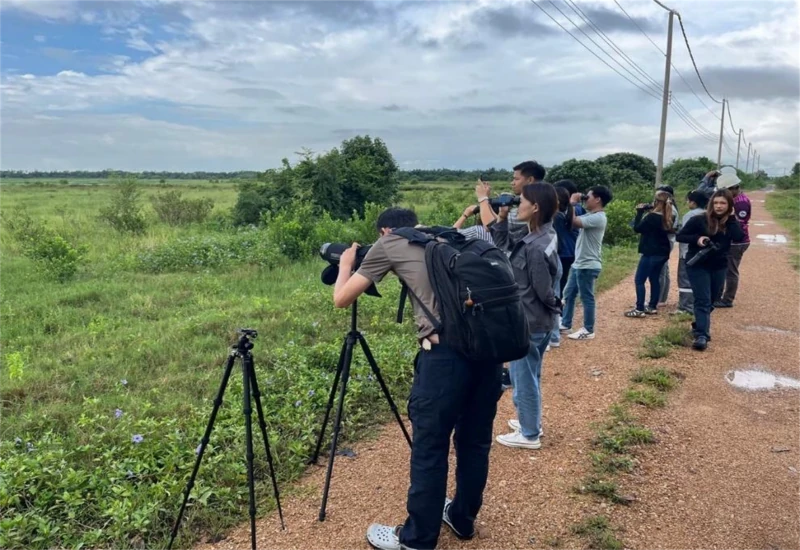
The Group actively collaborates with civil society networks and local organizations to integrate ecosystem restoration and biodiversity conservation into community practices.